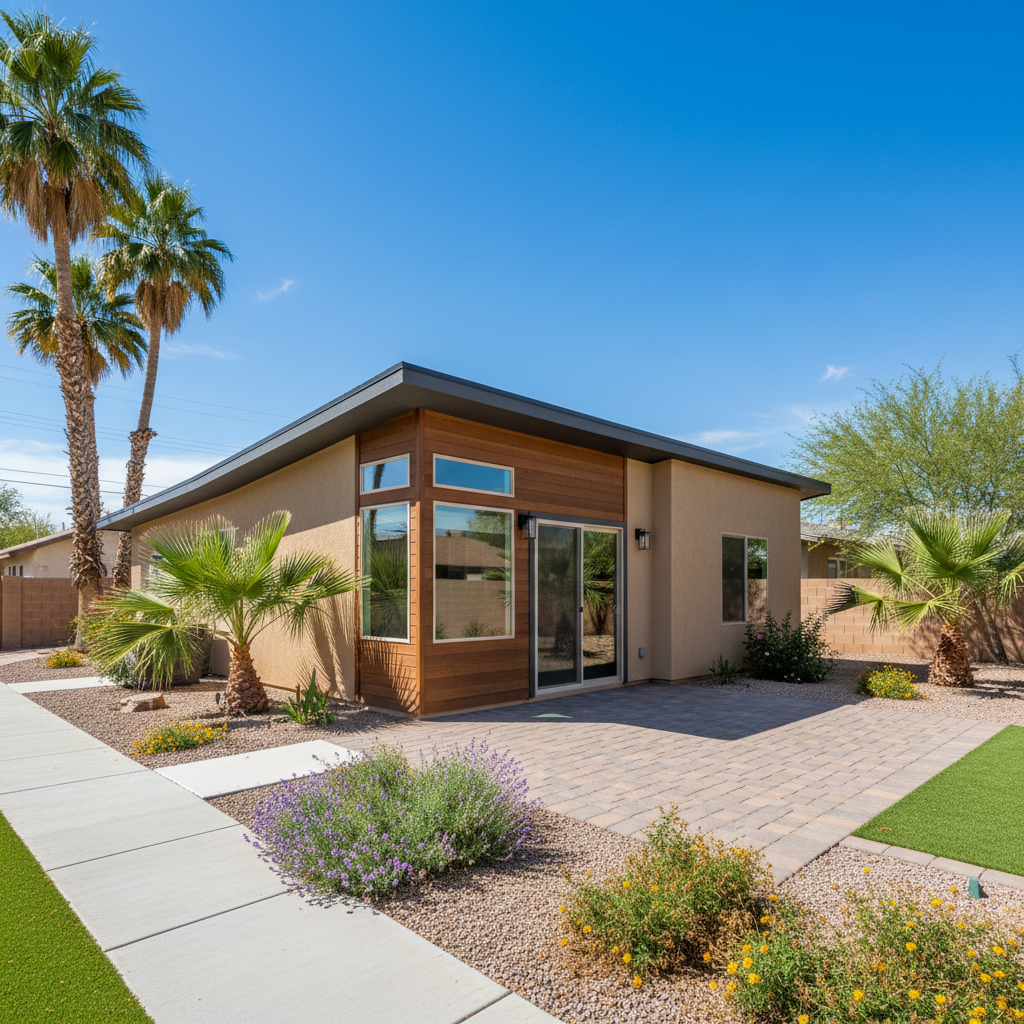
So, you've got yourself a shiny new ADU right here in Phoenix. Maybe it's a rental, maybe it's for family, or perhaps it's your own quiet escape. Whatever its purpose, you want it to last, especially with our brutal Arizona sun and those wild monsoon seasons. Think of your ADU like a car; it needs regular check-ups and a little TLC to keep running smoothly. Neglect it, and you'll be dealing with bigger, more expensive headaches down the road. Trust me, I've seen it happen.
Making Your Phoenix ADU Last in the Desert
Our Phoenix climate is no joke. Triple-digit summers, intense UV radiation, and sudden dust storms or heavy monsoons really put a building through its paces. To make sure your ADU weathers it all, you've got to think about longevity from the ground up.
- Materials Matter: When your ADU was built, we hopefully used materials designed for this climate. Things like stucco, concrete, and light-colored roofing materials reflect heat and stand up to UV better than others. Clay tiles, for example, are a centuries-old desert staple for a reason; they offer great insulation and durability. If you're doing any upgrades or repairs, always lean into desert-friendly options.
- Shade and Sun Protection: This isn't just about comfort; it's about protecting your building's skin. Overhangs, awnings, and even strategically planted shade trees can significantly cut down the sun's impact on walls and windows. That helps with energy efficiency and slows material degradation, too.
- Smart Landscaping: Beyond just shade, think about xeriscaping around your ADU. Drought-tolerant plants mean less water usage, which is always good in Arizona. Just make sure plants aren't too close to the foundation, as they can hold onto moisture or give pests an easy path in.
- Quality Construction: This one's a given, but good bones mean less trouble later. If you went with a reputable builder like Phoenix ADU Solutions, Inc., you're already ahead of the game. Proper sealing, insulation, and ventilation are crucial for keeping the elements out and your energy bills down.
Regular Maintenance: Your ADU's Check-Up Schedule
You wouldn't skip oil changes for your car, right? Same goes for your ADU. A little routine maintenance goes a long way in preventing big problems.
HVAC System
Your AC unit is probably the hardest working appliance in your ADU, especially from May to October. You absolutely can't neglect it.
- Monthly: Change those air filters! Dust is a constant battle here, and dirty filters make your unit work harder, costing you more and shortening its life.
- Annually (Spring): Get a professional tune-up. Before summer hits, have an HVAC tech inspect and clean the coils, check refrigerant levels, and make sure everything's running efficiently. This can prevent breakdowns on a 115-degree day and extend the unit's lifespan.
- Warning Signs: If you notice weak airflow, strange noises, or your ADU just isn't cooling like it used to, don't wait. High energy bills for no apparent reason are another red flag.
Plumbing
Water is precious here, and leaks aren't just wasteful; they can cause serious damage.
- Quarterly/Bi-Annually: Check for leaks under sinks, around toilets, and at outdoor hose bibs. Look for water stains or drips. Run water in all sinks and flush toilets to ensure good drainage.
- Annually: Consider a professional plumbing inspection. They can check water pressure, inspect fixtures, and even flush your water heater. In Phoenix, hard water can lead to mineral buildup, so regular checks are smart.
- Warning Signs: Dripping faucets or running toilets are obvious. Low water pressure, slow drains, or any musty smells could indicate a bigger issue. A sudden spike in your water bill is also a huge clue.
Roof
Your roof takes a beating from the sun and those intense monsoon downpours. It's your ADU's first line of defense, after all.
- Bi-Annually (Pre-Summer & Post-Monsoon): Inspect your roof. Look for cracked tiles, missing shingles, or blistering on foam roofs. Clear any debris from valleys and drainage areas, especially after a dust storm or heavy rain.
- Every 5-7 Years: If you have a flat foam roof, it'll need recoating to maintain its protective barrier against UV rays.
- Warning Signs: Water stains on the ceiling or walls are a clear sign of a leak. Granules in your gutters (from asphalt shingles) or visible cracks and lifting on any roof type mean it's time for a closer look.
Exterior and Foundation
The outside of your ADU needs attention too.
- Annually: Walk around the exterior. Look for cracks in stucco or paint, especially near the foundation or around windows and doors. Check caulking and weather stripping; the sun can dry these out fast. Make sure your sprinklers aren't spraying directly onto the foundation.
- Pest Control: Phoenix has its share of critters – scorpions, termites, ants, you name it. Regular pest control treatments, especially around the foundation and entry points, are crucial. Seal any small cracks or openings you find.
- Warning Signs: Cracks in the foundation, especially horizontal ones, are serious. Peeling paint, deteriorating caulk, or visible pest activity (like termite tubes) all need immediate attention.
When to Call a Professional
Some things you can handle yourself, but for others, you really need a pro. Don't be a hero when it comes to your property's integrity.
- Major Leaks or Water Damage: If you have a burst pipe, a big roof leak, or any water coming in that's more than a small drip, call a plumber or roofer right away. Water damage can quickly lead to mold and structural issues.
- Electrical Issues: Flickering lights, outlets that don't work, or the smell of burning wires are not DIY projects. Electrical problems can be dangerous and should always be handled by a licensed electrician.
- HVAC Failure: If your AC quits in July, you don't mess around. Call an HVAC technician. They'll diagnose it safely and get you cooling again.
- Structural Cracks: Any significant cracks in walls, ceilings, or the foundation that seem to be growing or causing misalignment of doors and windows warrant a structural engineer or a qualified general contractor.
- Persistent Pests: If you're battling a pest problem that won't go away with over-the-counter solutions, or if you suspect termites, get a professional pest control company out there.
- Unusual Odors: Musty smells can indicate mold or water damage. Sewer gas smells point to plumbing issues. Don't ignore them.
Maintaining your ADU isn't just about fixing things when they break; it's about being proactive, especially in a place like Phoenix. A little vigilance and regular care will keep your investment sound and your ADU a comfortable, functional space for years to come. If you ever have questions about what you're seeing or hearing with your ADU, don't hesitate to reach out to a local expert. We're here to help you protect your investment.