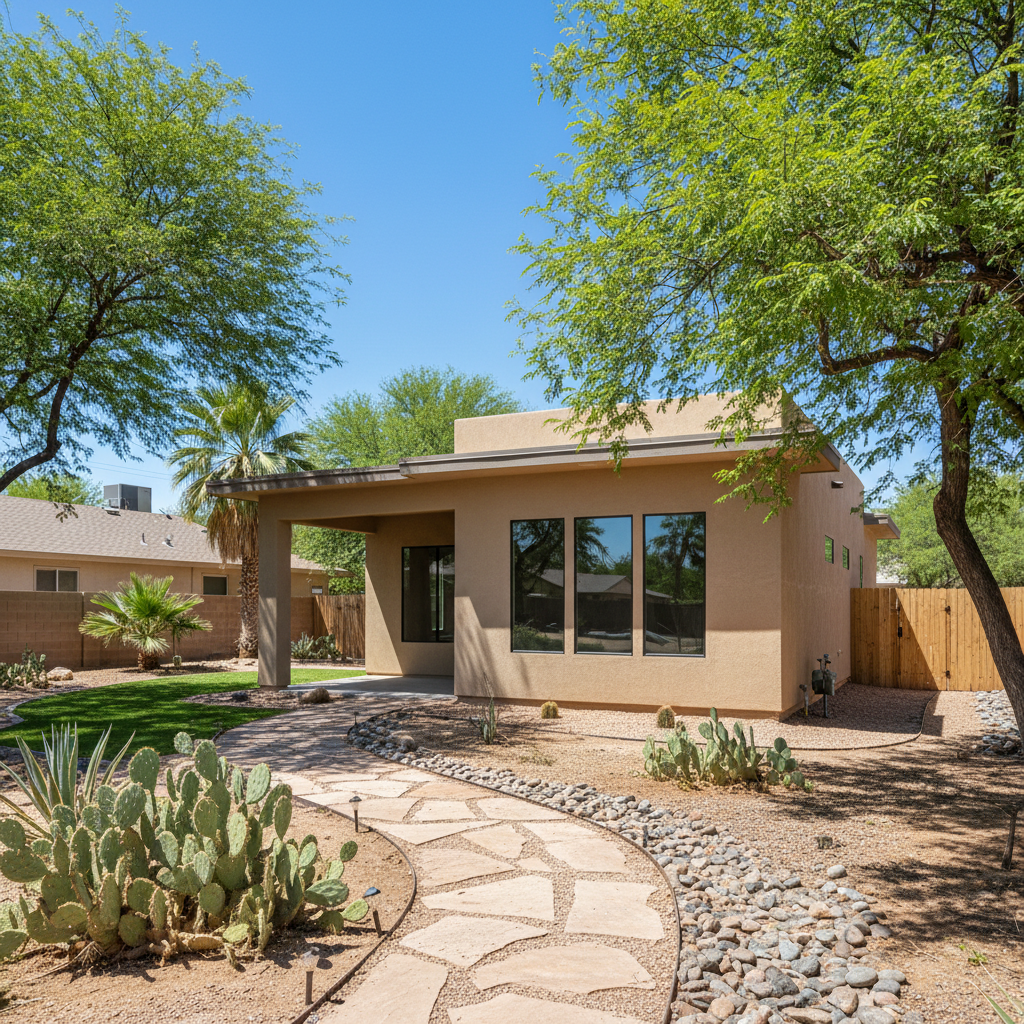
Alright, so you're thinking about building an ADU here in Phoenix. That's a smart move for a lot of reasons, whether it's for family, rental income, or just some extra space. But let's be real, it's a big project, and you don't want to just jump in without a plan. I've seen enough builds around town, from Arcadia to Sunnyslope, to know that a good plan makes all the difference. So, let's talk about getting your ADU project off the ground the right way.
Your ADU Project Timeline: What to Expect
People always ask me, "How long is this going to take?" And my answer is always, "It depends." But I can give you a pretty good breakdown of the stages and how long each usually lasts. This isn't a sprint; it's more like a marathon, especially with our city's permitting process.
Initial Planning & Feasibility (2-4 weeks): This is where you figure out what you want, what your property can actually handle, and what your budget looks like. You'll definitely want to talk to a designer or a contractor, like us at Phoenix ADU Solutions, Inc., to get a solid idea of what's possible on your specific lot. We'll check things like setbacks, utility access, and zoning rules.
Design & Architectural Drawings (4-12 weeks): Once you know what you're after, a good architect or designer will draw up the plans. This includes floor plans, elevations, structural details, and all the nitty-gritty stuff the city needs to see. Revisions can easily add time here, so be clear with your vision from the start.
Permitting (8-20 weeks, sometimes more): This is often the longest and most unpredictable part here in Phoenix. The city processes can be slow, and if your plans need corrections, well, that just adds more time. Don't underestimate this phase. Be patient, and make sure your plans are solid before you send them in to avoid delays.
Contractor Selection & Pre-Construction (2-4 weeks): While those permits are cooking, you can finalize your contractor choice, get bids, and sign contracts. Once the city issues permits, you'll have a pre-construction meeting to go over schedules and logistics.
Construction (16-24 weeks): This is the exciting part! Foundations, framing, plumbing, electrical, roofing, drywall, finishes – it all happens here. Weather can play a role, especially during our monsoon season or scorching summers, which can affect concrete pours or exterior work. Good communication with your contractor is absolutely key during this phase.
Final Inspections & Occupancy (1-2 weeks): Once construction finishes, the city inspectors come out for final checks. After everything passes, you get your Certificate of Occupancy, and your ADU is officially ready!
So, from start to finish, you're usually looking at anywhere from 8 to 18 months. It's a journey, not a quick trip.
What to Expect During the Process
Building an ADU is a construction project, and construction can be messy. You'll have workers on your property, noise, dust, and sometimes, things won't go exactly as planned. That's just how it is. Here's what you should brace yourself for:
Noise and Disruption: Power tools, trucks, hammering – it's all part of the deal. Your neighbors will hear it too, so it's a good idea to give them a heads-up early on.
Dust and Debris: We do our best to keep the site clean, but dust travels. Expect some in your yard, and maybe even in your house if you're not careful about sealing off shared areas.
Unexpected Issues: We often find things once we start digging, especially with older homes in areas like the Willo Historic District. Old pipes, buried debris, unexpected soil conditions – these can pop up. A good contractor will tell you about these quickly and offer solutions.
Inspections: The city will send inspectors out at various stages (foundation, framing, plumbing, electrical, etc.). These are critical checkpoints to make sure everything is built to code. Sometimes an inspection might fail, requiring a fix and a re-inspection, which can cause minor delays.
Decisions, Decisions: You'll be making a lot of choices throughout the build – paint colors, flooring, fixtures. Try to make these decisions ahead of time to keep the project moving smoothly.
How to Prepare Your Home and Yourself
Preparation isn't just about the plans; it's about getting your life ready for a construction zone. Here are a few tips:
Clear the Area: If the ADU is going in your backyard, move anything you value out of the construction zone. Patio furniture, plants, grills – get them out of the way. If you have pets, make sure they're secured and safe from the activity.
Communicate with Neighbors: A friendly heads-up goes a long way. Let them know what's happening and roughly how long it'll take. It can prevent headaches down the road.
Set Up a Communication Plan: Discuss with your contractor how you'll communicate. Weekly meetings, phone calls, emails? Knowing what to expect for updates helps manage expectations.
Budget for the Unexpected: Always have a contingency fund, usually 10-15% of your total project cost. Things happen, and you don't want to be caught off guard financially.
Be Patient: Construction isn't always fast. There will be good days and frustrating days. Trust your contractor and try to keep a positive outlook.
Critical Questions to Ask Before Signing a Contract
This is huge. Don't sign anything until you're comfortable with the answers to these questions. This is your money and your property we're talking about.
Are you licensed and insured in Arizona? You absolutely need to see proof of both. A contractor's license (ROC number) and general liability insurance are non-negotiable. Don't risk it with someone who isn't properly covered.
Can you provide references from previous ADU clients? Talk to people who have actually worked with them on a similar project. Ask about communication, timeline adherence, budget, and how they handled problems.
What's your typical project timeline, and how do you handle delays? Get a realistic timeframe. Also, understand their process for communicating and mitigating delays, because they will happen.
How do you handle change orders? Changes cost money and time. A good contractor will have a clear, written process for how changes are proposed, approved, and billed.
What's included in the bid, and what's not? Get a detailed breakdown. Does it include permits, design fees, utility hookups, landscaping? Make sure there are no hidden costs that will surprise you later.
What's your payment schedule? Understand when payments are due and what milestones trigger them. Avoid paying a huge upfront deposit. Payments should be tied to completed work.
Who will be my main point of contact, and how often will we communicate? You need one person you can go to with questions and concerns. Regular updates are crucial.
What kind of warranty do you offer on your work? A reputable contractor will stand behind their work. Ask about the length and coverage of their warranty.
How do you manage subcontractors? Your general contractor is responsible for everyone on site. Ask how they vet their subs and ensure quality control.
Asking these tough questions upfront will save you a lot of headaches and money down the line. Building an ADU is a big investment, and you deserve to feel confident in the team you choose. Do your homework, ask the right questions, and you'll be well on your way to a successful build here in Phoenix.